 What Is HR Analytics? (Meaning Explained for Leaders)
HR Analytics: Meaning, Metrics & Example

Why HR Analytics Has Become a Strategic Imperative
In boardrooms across industries, leadership conversations have shifted from “How many people do we have?” to “Do we have the right people, in the right roles, at the right time?”
This shift has elevated boldHR analyticsbold from an operational reporting function to a strategic discipline that directly influences business growth, risk management, and long-term competitiveness.
Today’s C-suite leaders expect HR to deliver the same level of analytical rigor as finance or operations. Decisions around hiring, retention, performance, and workforce costs are no longer based on intuition or isolated reports. Instead, they are powered by data, trends, and predictive insights.
With a global monthly search volume of over 60,000 for “HR analytics”, it is clear that senior executives are actively seeking clarity on how workforce data can drive measurable business outcomes.
What Is HR Analytics? (Meaning Explained for Leaders)
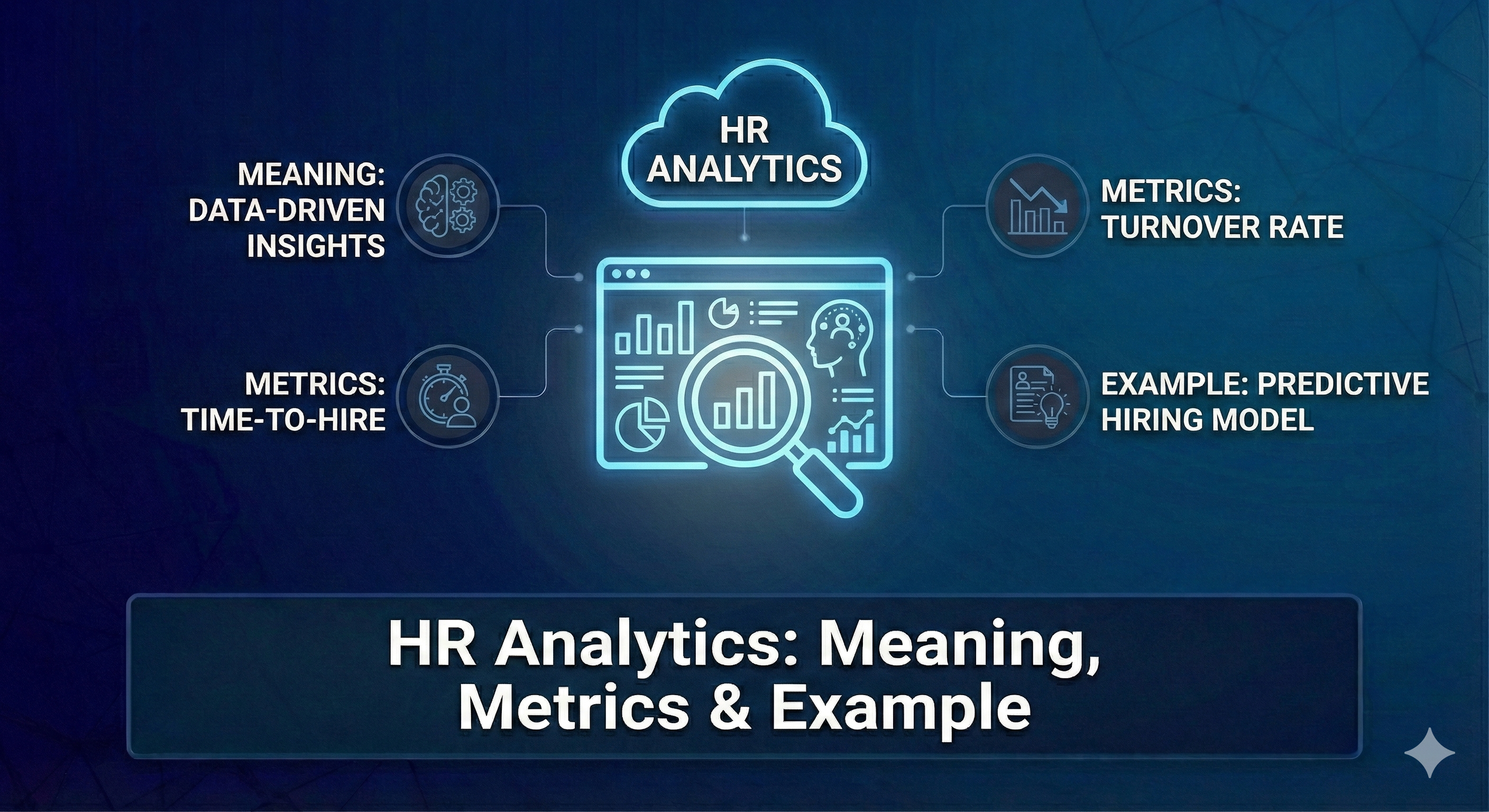
HR analytics is the process of collecting, analyzing, and interpreting employee-related data to improve workforce decisions and organizational performance.
Rather than focusing only on administrative efficiency, HR analytics connects people data with business objectives. It answers questions such as:
What factors drive high performance in our organization?
Which roles are at the highest risk of attrition?
How effective are our leadership and development investments?
Where should we allocate talent budgets for maximum ROI?
In essence, HR analytics transforms raw HR data into strategic intelligence that leadership teams can act upon.
HR Analytics, HR Metrics, and People Analytics: Understanding the Difference
These three terms are closely related but serve different strategic purposes.
boldHR metricsbold are quantitative measurements that track HR activities. Examples include attrition rate, absenteeism, and time to hire. Metrics show what is happening.
boldHR analyticsbold goes a step further by examining patterns, correlations, and root causes within those metrics. Analytics explains why something is happening.
boldPeople analyticsbold takes a broader business view by integrating HR data with financial, operational, and customer data. It answers what will happen next and what actions leaders should take.
For the C-suite, the real value lies not in isolated metrics but in analytics that link workforce behavior to revenue, productivity, and growth.
Why HR Analytics Matters to the C-Suite
HR analytics enables leadership teams to manage people with the same precision as capital.
First, it improves strategic workforce planning by forecasting future talent needs and identifying skills gaps before they impact growth. Second, it strengthens risk management by highlighting attrition risks, compliance gaps, and leadership vulnerabilities early. Third, it enhances financial performance by optimizing workforce costs and improving productivity.
Organizations that effectively use boldhr data analyticsbold consistently report stronger engagement, lower voluntary attrition, and higher operational efficiency.
For modern executives, HR analytics is no longer an HR initiative it is a business necessity.
The Four Types of HR Analytics
Descriptive Analytics
Descriptive analytics focuses on historical data to understand what has already happened. Examples include headcount trends, turnover rates, and demographic distribution.
Diagnostic Analytics
Diagnostic analytics investigates why certain outcomes occurred. For example, analyzing why attrition is higher in specific departments or locations.
Predictive Analytics
Predictive analytics uses historical data to forecast future outcomes, such as identifying employees at risk of leaving or predicting future hiring demand.
Prescriptive Analytics
Prescriptive analytics recommends actions based on data insights, such as targeted retention strategies or optimized workforce allocation.
Together, these four levels help organizations move from reactive decision-making to proactive leadership.
Key HR Analytics Metrics That Matter to Executives
Workforce Metrics
Workforce metrics provide visibility into organizational structure and talent stability. These include headcount growth, workforce diversity, and internal mobility.
Recruitment and Hiring Metrics
Hiring metrics evaluate the efficiency and quality of recruitment processes. Time to hire, cost per hire, and quality of hire are essential indicators of recruitment effectiveness.
Performance and Productivity Metrics
These metrics connect people performance to business outcomes. Revenue per employee, goal achievement rates, and high-performer ratios help leaders understand workforce impact.
Engagement and Retention Metrics
Engagement and retention metrics highlight employee sentiment and organizational health. Attrition rates, absenteeism patterns, and engagement scores reveal early warning signs.
When analyzed together, these boldhr metricsbold provide leadership with a holistic view of workforce performance.
Real-World Examples of HR Analytics in Action
Reducing Attrition Through Predictive Insights
A technology services organization analyzed historical attrition data and identified common patterns among employees who resigned within 18 months. By addressing role stagnation and manager effectiveness, the company reduced voluntary attrition significantly.
Improving Hiring Effectiveness
By comparing performance and retention data across hiring sources, a growing enterprise discovered that employee referrals delivered higher long-term value than external agencies. Recruitment investments were reallocated accordingly.
Linking Engagement to Business Results
A multi-location organization correlated engagement survey results with productivity and revenue data. Teams with higher engagement scores consistently outperformed others, reinforcing the business case for engagement initiatives.
These examples show how boldHR analyticsbold directly supports measurable outcomes.
How HR Analytics Aligns HR Strategy with Business Goals
HR analytics enables leaders to:
Anticipate future workforce requirements
Strengthen leadership succession planning
Improve merger and acquisition workforce integration
Optimize workforce costs without compromising performance
By aligning talent insights with organizational objectives, analytics ensures HR decisions support long-term business strategy.
Technology’s Role in Enabling HR Analytics
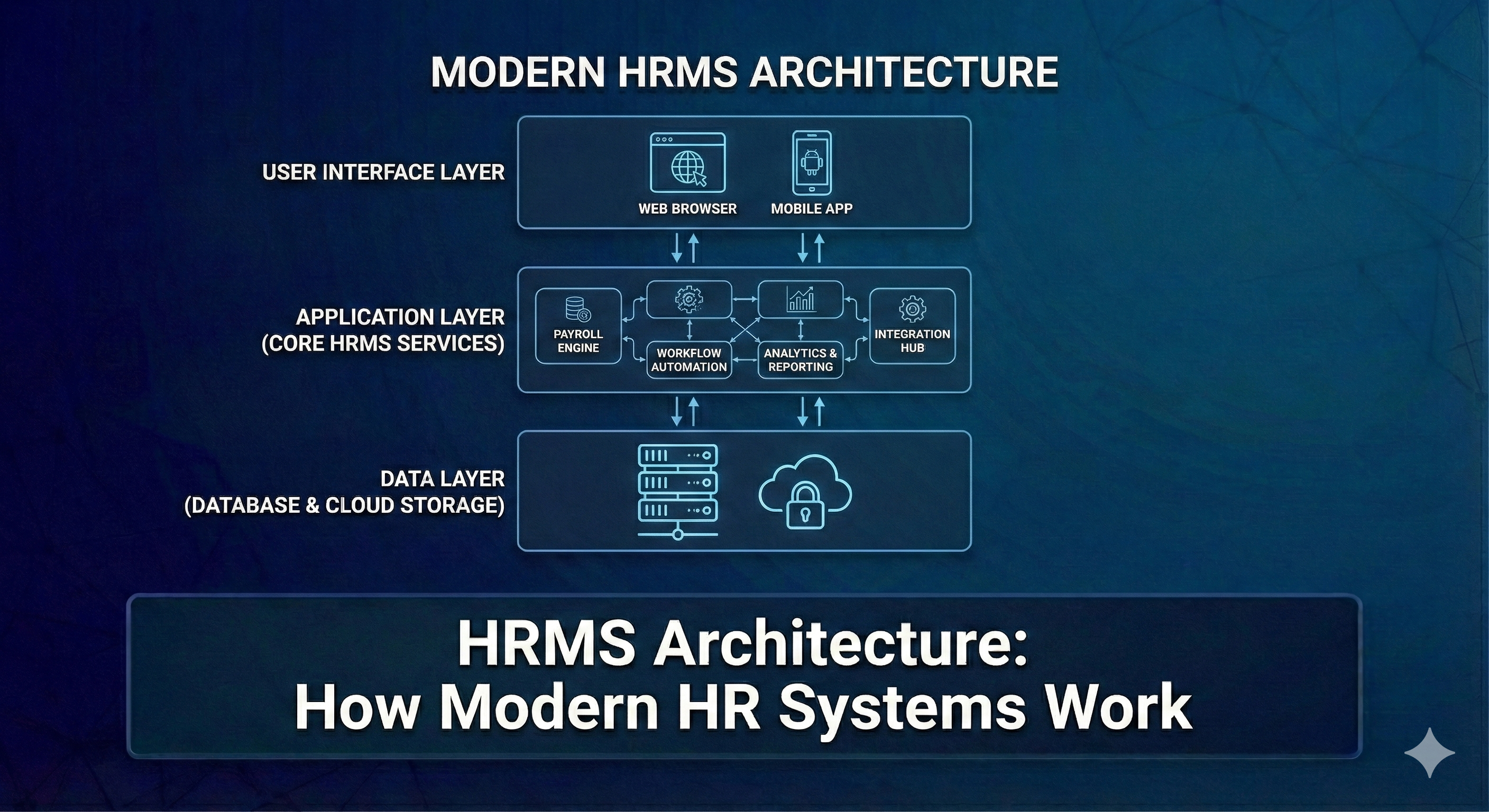
Manual spreadsheets and fragmented systems limit scalability and accuracy. Modern HR analytics requires integrated platforms that centralize employee data, ensure data integrity, and provide real-time insights.
Advanced HRMS platforms like JioHRMS consolidate attendance, payroll, performance, recruitment, and engagement data into a unified analytics framework. This enables leadership teams to access reliable insights without operational complexity.
Common Challenges in HR Analytics
Organizations often face challenges such as inconsistent data quality, disconnected systems, lack of analytical skills, and resistance to data-driven decision-making.
Addressing these challenges requires leadership commitment, strong data governance, and technology that supports analytics-first HR operations.
Best Practices for Implementing HR Analytics Successfully
Successful organizations start with clear business questions rather than data collection alone. They focus on actionable insights, build analytical literacy among leaders, and ensure ethical use of employee data.
Visualization, automation, and continuous improvement are key to sustaining analytics maturity.
The Future of HR Analytics
The future of HR analytics lies in AI-powered insights, predictive modeling, and real-time decision support. As organizations adopt generative AI and advanced analytics, workforce intelligence will become a core pillar of enterprise strategy.
HR analytics will evolve from reporting performance to shaping it.