 What Is Payroll Processing?
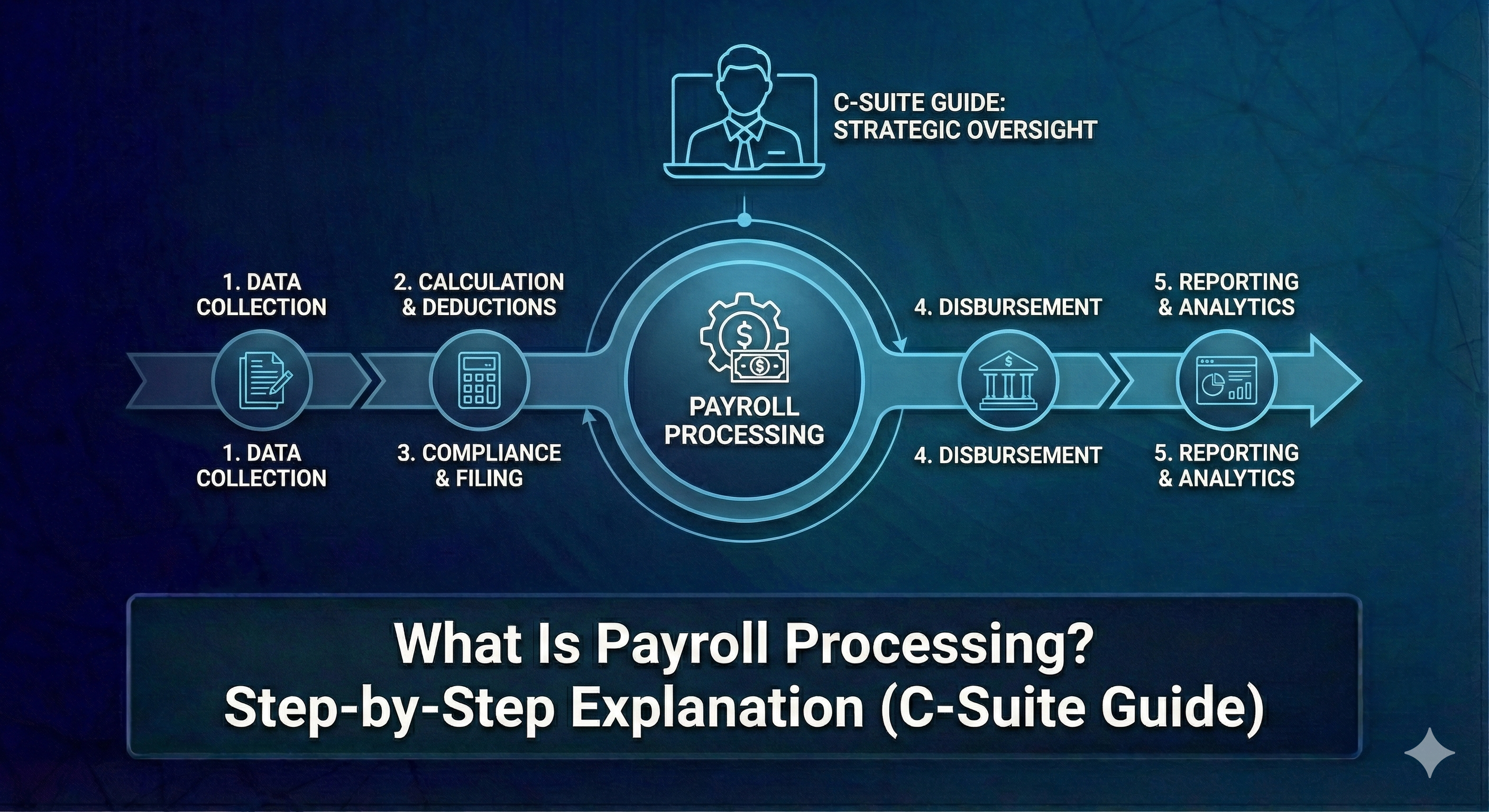
What Is Payroll Processing? Step-by-Step Explanation (C-Suite Guide)

For today’s CXOs, CHROs, CFOs, and founders, payroll processing is far more than a monthly administrative routine. It is a business-critical system that sits at the intersection of employee trust, statutory compliance, financial governance, and operational scalability. When payroll runs smoothly, it goes unnoticed. When it fails, it immediately becomes a leadership issue.
This guide is written specifically for senior decision-makers who want a clear, structured, and strategic understanding of what payroll processing is, how payroll process steps function in modern organizations, and why payroll maturity is increasingly seen as a competitive advantage rather than a cost center.
What Is Payroll Processing?
Payroll processing refers to the complete, repeatable cycle through which an organization calculates employee earnings, applies statutory and voluntary deductions, disburses salaries, and fulfills all legal reporting obligations within a defined pay period.
From a leadership perspective, payroll is not a single task. It is a controlled financial workflow that integrates people data, time data, compensation policy, and compliance rules. Each payroll cycle reflects the organization’s operational discipline and governance maturity.
In growing enterprises, payroll becomes increasingly complex as headcount expands, compensation structures diversify, and regulatory requirements evolve. This is why payroll must be designed as a system, not managed as an afterthought.
Why Payroll Processing Matters at the C-Suite Level
Payroll has a direct and measurable impact on multiple leadership priorities. From a financial standpoint, employee compensation represents one of the largest recurring expenses on the balance sheet. Any inaccuracy in payroll calculation affects cash flow planning and cost forecasting.
From a compliance standpoint, payroll is closely monitored by statutory authorities. Late filings, incorrect deductions, or non-compliant payslips can expose the organization to audits, penalties, and reputational damage. For CHROs and CEOs, payroll accuracy also shapes employee sentiment. Salaries are deeply personal, and even small errors can erode trust quickly.
Finally, from a scalability perspective, payroll determines how smoothly an organization can grow. Manual or fragmented payroll systems struggle to keep up with multi-location operations, hybrid work models, and changing regulations. Leadership teams that invest early in robust payroll frameworks avoid future operational bottlenecks.
Payroll Processing vs Payroll Management: A Strategic Distinction
Although often used interchangeably, payroll processing and payroll management serve different purposes within an organization.
Payroll processing focuses on execution. It ensures salaries are calculated accurately, deductions are applied correctly, and payments are made on time.
Payroll management, on the other hand, focuses on control and optimization. It defines payroll policies, enforces compliance, manages audits, and ensures consistency across the organization.
Modern enterprises integrate both into a single system, enabling leadership to move from reactive payroll execution to proactive payroll governance.
Understanding the Payroll Process Steps End to End
To fully appreciate how payroll functions, it is important to understand the payroll process steps as a continuous flow rather than isolated actions. Each stage builds upon the previous one, and accuracy at the start determines success at the end.
Step 1: Employee Data Foundation
Payroll begins with employee master data. This includes employment classification, compensation structure, statutory identifiers, bank details, and tax declarations. From a governance standpoint, this data must be accurate, current, and securely maintained.
Errors at this stage inevitably flow downstream, resulting in incorrect salary payments or compliance gaps. This is why organizations with mature payroll systems emphasize data validation at the source rather than correction at the end.
Step 2: Attendance and Time Consolidation
Attendance data is a critical input for payroll, particularly in organizations with variable work patterns. Working days, overtime, paid leave, unpaid leave, and loss of pay must be consolidated accurately before salary computation begins.
In digitally mature organizations, attendance systems are tightly integrated with payroll, eliminating manual reconciliation. This integration not only improves accuracy but also shortens payroll cycles, which is crucial for operational efficiency.
Step 3: Gross Salary Computation
Once attendance inputs are finalized, the system calculates gross salary. Gross pay represents the total earnings an employee is entitled to before deductions. It may include fixed components such as basic pay and allowances, as well as variable elements like incentives or bonuses.
At scale, this step demands rule-based automation. Compensation structures are rarely uniform across roles, locations, or seniority levels, and payroll systems must handle this complexity without introducing manual risk.
Step 4: Payroll Calculation and Deductions
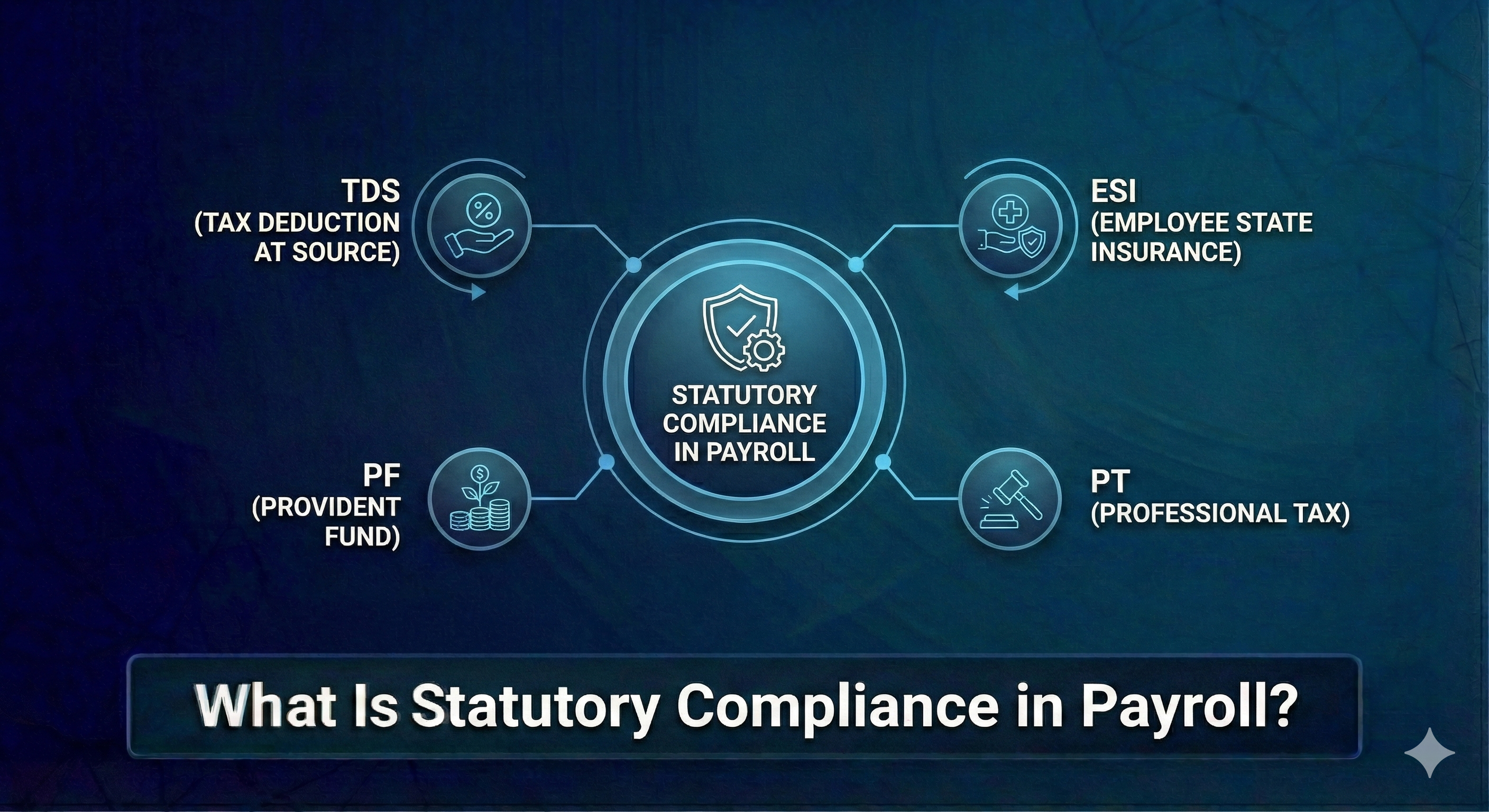
This stage is the most compliance-sensitive part of payroll processing. Accurate payroll calculation requires applying statutory deductions such as income tax, social security contributions, and professional taxes, along with voluntary deductions like insurance or loan repayments.
Because tax regulations and contribution limits change frequently, organizations relying on manual updates face constant compliance risk. Automated payroll systems reduce this risk by embedding regulatory logic directly into the calculation engine.
Step 5: Net Pay Finalization
After deductions are applied, the system arrives at net pay the amount employees receive in hand. Although this seems straightforward, this step is where cumulative errors surface if earlier stages were not handled correctly.
For leadership, net pay accuracy is non-negotiable. It directly influences employee trust and organizational credibility, making automation and validation essential.
Step 6: Salary Disbursement
Salary disbursement is where payroll outcomes become real for employees. Funds are transferred to employee bank accounts through secure banking channels. Timing and accuracy are critical, as delays or failures immediately affect morale.
From a financial control perspective, this step also ensures alignment between payroll data and cash outflows, supporting better treasury management.
Step 7: Payslip Generation and Transparency
Payslips serve as both communication tools and legal documents. They provide employees with a clear breakdown of earnings and deductions while serving as compliance records for regulators.
Self-service access to payslips reduces dependency on HR teams and enhances transparency. For leadership, it also lowers operational overhead and payroll-related queries.
Step 8: Statutory Compliance and Reporting
Compliance is where payroll failures become visible externally. This step includes filing tax returns, depositing statutory contributions, and generating government-mandated reports.
A strong payroll management framework ensures every compliance activity is timely, accurate, and traceable. This significantly reduces audit risk and reinforces organizational credibility.
Step 9: Payroll Accounting and Financial Integration
The final stage connects payroll with finance. Payroll data feeds into accounting systems, cost centers, and financial reports. This integration allows CFOs and finance leaders to analyze workforce costs, forecast expenses, and make informed decisions.
When payroll data is clean and structured, financial planning becomes more reliable and strategic.
Common Challenges in Payroll Processing
Despite its importance, payroll is often burdened by legacy systems, manual interventions, and fragmented data. Common challenges include frequent calculation errors, compliance uncertainty, delayed payroll cycles, and poor audit readiness.
These challenges intensify as organizations grow, diversify geographically, or introduce flexible work models.
How Modern HRMS Platforms Improve Payroll Maturity
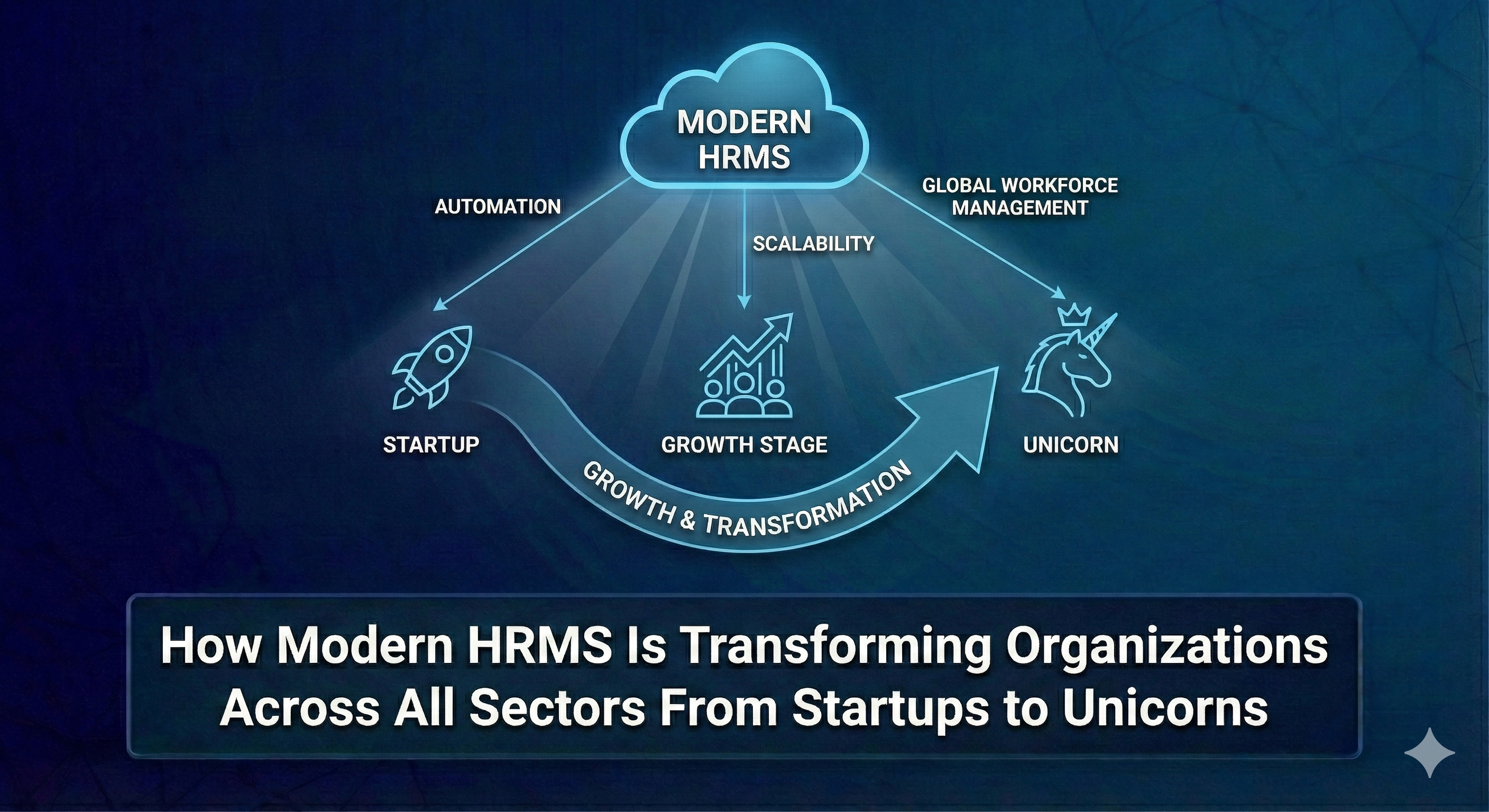
Modern organizations address payroll complexity by adopting unified HRMS platforms that integrate HR, attendance, compliance, and payroll into a single ecosystem.
Such platforms enable automated payroll process steps, reduce dependency on manual checks, and provide leadership with real-time visibility into payroll operations. Solutions like JioHRMS are designed to support this integrated approach, allowing payroll to scale without increasing risk or workload.
Payroll Processing as a Strategic Capability
When payroll is treated as a strategic system rather than an administrative function, organizations gain tangible advantages. They reduce compliance risk, improve employee trust, and free HR and finance teams to focus on higher-value initiatives.
For the C-suite, payroll maturity signals operational excellence and governance strength qualities that investors, employees, and regulators all value.
Final Perspective
Payroll processing is no longer about calculating salaries alone. It is about building a reliable, compliant, and scalable foundation for workforce management. Organizations that invest in modern payroll frameworks position themselves for sustainable growth, while those that delay modernization accumulate hidden risk.
Looking for the Best Online HR Software? Check out the Best Online HR Software .