 Why an Employee Leave Policy Is a Strategic Imperative
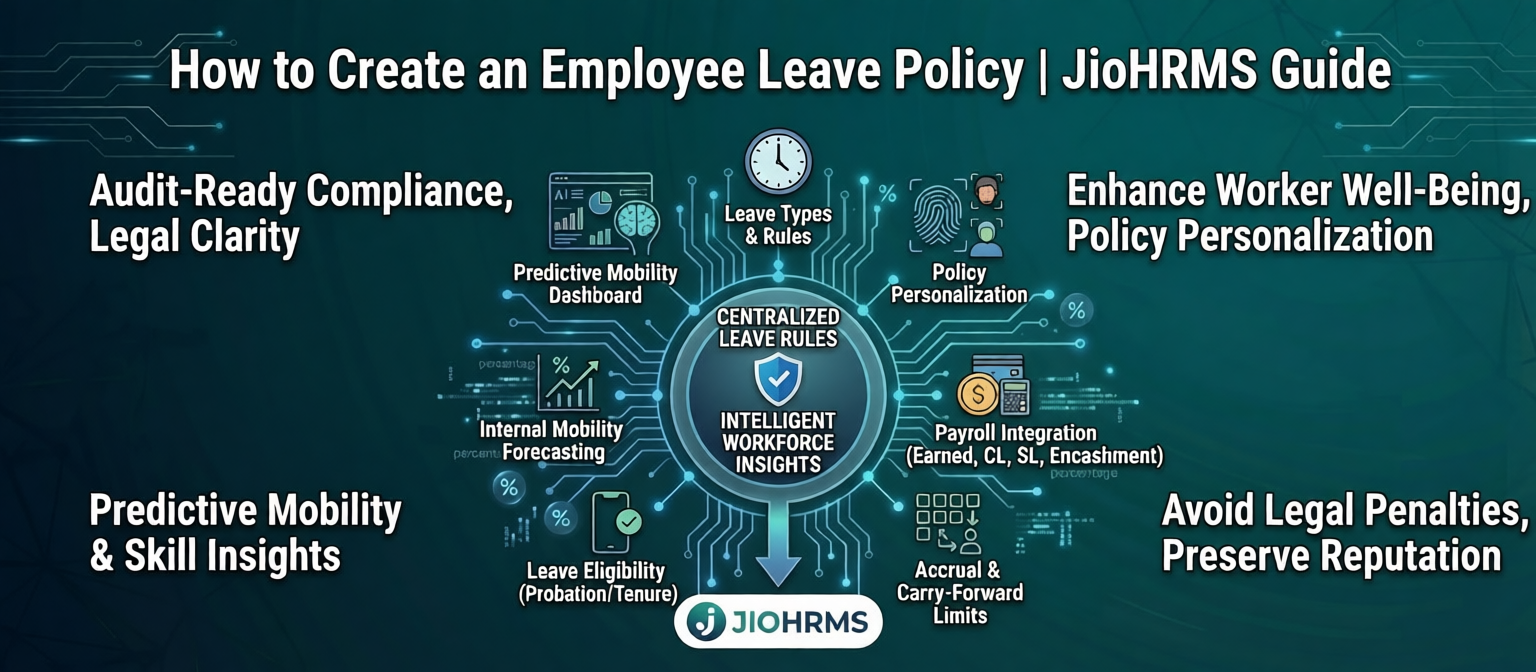
How to Create an Employee Leave Policy

In today’s fast-evolving business landscape, crafting an effective employee leave policy is no longer a routine HR task, it is a strategic priority. For C-suite leaders, it directly impacts compliance, workforce productivity, employee experience, and ultimately, business performance.
At the same time, AI is transforming how organizations manage talent mobility and workforce planning. Therefore, building a future-ready leave policy requires combining legal compliance, employee-centric design, and intelligent automation.
This guide walks you through everything you need to know to create a robust employee leave policy, while also exploring how AI is reshaping internal mobility and HR decision-making.
TL;DR
A well-defined employee leave policy improves compliance, productivity, and employee satisfaction
Align your policy with legal frameworks like leave policy india and modern workforce expectations
Use AI to automate approvals, detect patterns, and optimize workforce planning
Standardize hr leave rules for fairness and transparency
Integrate your company leave policy with HRMS platforms like JioHRMS for efficiency
Keep policies flexible, data-driven, and scalable for future workforce trends
Why an Employee Leave Policy Is a Strategic Imperative
A well-structured employee leave policy does more than define time-off rules; it builds trust and organizational discipline.
Key Business Benefits
Ensures legal compliance with national and regional regulations
Reduces operational disruption through structured leave planning
Improves employee satisfaction and retention
Enhances workforce transparency and fairness
Supports data-driven decision-making
From a leadership perspective, leave policies also provide insights into workforce behavior, absenteeism trends, and productivity patterns especially when powered by AI-enabled systems.
Understanding Leave Policy India: Legal Foundations
Before designing your employee leave policy, understanding compliance requirements is essential.
Key Legal Considerations in India
The framework for leave policy india varies across states but commonly includes:
Earned Leave (EL)
Casual Leave (CL)
Sick Leave (SL)
Maternity Leave (as per Maternity Benefit Act)
Public Holidays
Organizations must align their company leave policy with:
Shops and Establishments Act (state-specific)
Factories Act (for manufacturing units)
Maternity Benefit Act, 1961
Payment of Wages Act
Executive Insight
Non-compliance can result in penalties, legal disputes, and reputational risks. Therefore, your employee leave policy should always be legally vetted and regularly updated.
Core Components of an Effective Employee Leave Policy
To build a comprehensive employee leave policy, include the following components:
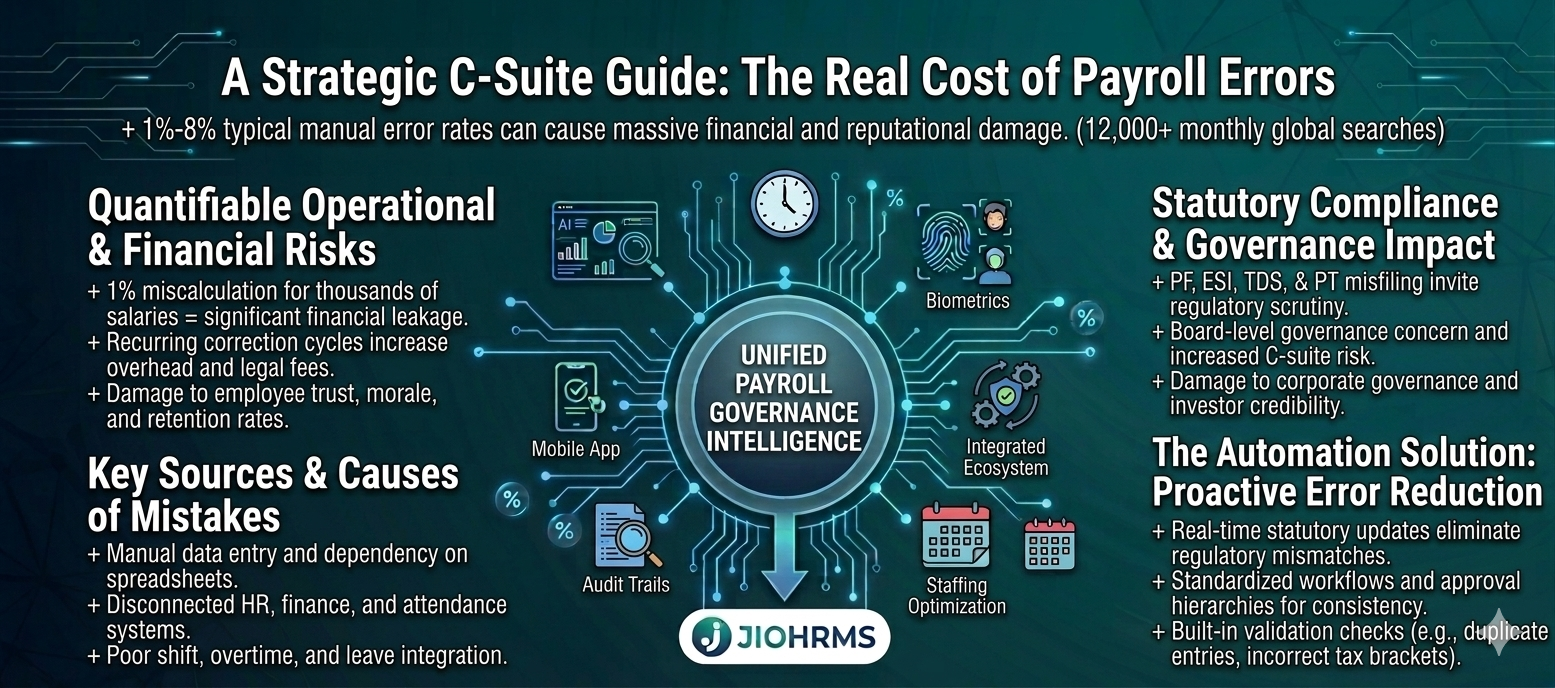
1. Types of Leave
Clearly define all categories:
Earned/Privilege Leave
Casual Leave
Sick Leave
Maternity/Paternity Leave
Bereavement Leave
Compensatory Off
2. Leave Eligibility
Specify:
Minimum tenure requirements
Probation rules
Accrual mechanisms
3. Leave Accrual & Carry Forward
Define:
Monthly or yearly accrual
Carry-forward limits
Encashment policies
4. Approval Workflow
Outline:
Reporting hierarchy
Approval timelines
Emergency leave handling
5. Documentation Requirements
Include:
Medical certificates
Advance notice requirements
6. Leave Encashment Rules
Clarify:
When encashment is allowed
Calculation method
These standardized hr leave rules ensure consistency across departments.
Designing HR Leave Rules for Fairness and Transparency
Fairness is critical in any employee leave policy. Inconsistent application of leave rules often leads to dissatisfaction and disengagement.
Best Practices for HR Leaders
Maintain uniform policies across teams
Avoid discretionary approvals unless justified
Ensure real-time visibility of leave balances
Communicate policy updates clearly
With digital HRMS platforms, organizations can enforce consistent hr leave rules without manual intervention.
The Role of AI in Leave Management and Internal Mobility
While traditional leave policies focus on compliance, AI introduces a new dimension of strategic workforce optimization.
How AI Enhances Leave Management
Predictive analytics to forecast absenteeism trends
Automated approvals based on historical patterns
Workforce planning optimization during peak leave periods
Anomaly detection for misuse of leave policies
AI and Internal Mobility
AI helps organizations:
Identify skill gaps when employees are on leave
Recommend internal replacements or temporary assignments
Improve workforce agility
Thus, a modern employee leave policy should integrate AI-driven insights to support internal mobility strategies.
Aligning Leave Policies With Business Objectives
An effective employee leave policy should align with broader organizational goals.
Strategic Alignment Areas
Productivity optimization
Employee well-being initiatives
Talent retention strategies
Cost control measures
For instance, flexible leave policies can improve employer branding, making the organization more attractive to top talent.
Creating a Scalable Company Leave Policy
As organizations grow, their company leave policy must evolve.
Scalability Considerations
Multi-location compliance
Remote and hybrid workforce policies
Integration with payroll and attendance systems
Localization for different regions
A scalable employee leave policy ensures consistency while allowing flexibility for global teams.
Leveraging HRMS for Leave Policy Automation
Manual leave management is inefficient and prone to errors. Modern HRMS platforms like JioHRMS enable seamless automation.
Key Capabilities
Automated leave tracking and accrual
Real-time dashboards for HR and leadership
Policy configuration and updates
Integration with payroll systems
Executive Advantage
With HRMS-driven insights, leaders can:
Monitor leave trends
Optimize workforce allocation
Reduce administrative overhead
This transforms the employee leave policy from a static document into a dynamic management tool.
Employee Experience and Leave Policy Design
Employee expectations have evolved significantly. Today’s workforce values flexibility, transparency, and fairness.
Enhancing Employee Experience
Provide self-service portals for leave applications
Enable mobile access for approvals
Offer flexible leave options
A well-designed employee leave policy directly contributes to:
Higher engagement
Reduced burnout
Improved retention
Common Mistakes to Avoid
Even well-intentioned policies can fail due to poor execution.
Key Pitfalls
Overly complex policies
Lack of clarity in hr leave rules
Ignoring legal compliance
No integration with HR technology
Inconsistent enforcement
Avoiding these mistakes ensures your employee leave policy remains effective and sustainable.
Future Trends: AI, Flexibility, and Policy Evolution
The future of leave management is driven by:
1. AI-Driven Decision Making
Policies will adapt dynamically based on workforce data.
2. Hyper-Personalization
Employees may receive customized leave benefits.
3. Integration With Internal Mobility
Leave data will influence workforce planning and skill deployment.
4. Global Compliance Automation
AI will help manage multi-country leave policy india variations and beyond.
Step-by-Step Guide to Creating an Employee Leave Policy
Here’s a practical framework for leaders:
Step 1: Assess Business Needs
Understand workforce size, industry requirements, and operational challenges.
Step 2: Review Legal Requirements
Align with leave policy india regulations.
Step 3: Define Leave Types and Rules
Standardize the leave rules.
Step 4: Design Approval Workflows
Ensure efficiency and accountability.
Step 5: Implement Technology
Use HRMS platforms for automation.
Step 6: Communicate Clearly
Ensure employees understand the policy.
Step 7: Monitor and Optimize
Use analytics to refine your employee leave policy.
How JioHRMS Enables Smarter Leave Policies
While designing a modern employee leave policy, technology plays a critical role.
JioHRMS supports organizations by offering:
Intelligent leave tracking and automation
Customizable policy configurations
AI-driven workforce insights
Seamless payroll integration
Real-time reporting dashboards
This enables leadership teams to move from reactive HR management to proactive workforce planning without adding operational complexity.
Conclusion
A well-crafted employee leave policy is no longer just an HR requirement it is a strategic enabler for organizational success.
By combining compliance, employee-centric design, and AI-driven insights, organizations can:
Enhance workforce productivity
Improve employee satisfaction
Strengthen internal mobility
Drive long-term business growth
For C-suite leaders, the opportunity lies in transforming leave management into a data-driven, intelligent system that supports both people and performance.
Transform Your Employee Leave Policies with JioHRMS
Ready to transform your employee leave policy into a strategic advantage?
Discover how JioHRMS can help your enterprise reduce payroll errors, improve payroll accuracy, and unlock measurable payroll automation benefits.
Book a personalized demo today and take the first step toward smarter HR management.